A total of 141 all out in One Day Internationals should not, by any normal cricketing logic, be a winning score. Yet Zimbabwe walked off Harare’s outfield 1-0 up in this series on Monday, having bowled Bangladesh out for 116 in a chase that looked, for long stretches, like a mismatch in the tourists’ favour. The most revealing thing about the win was not the number on the scoreboard, it was what head coach Justin Sammons chose to talk about afterward: not runs, not wickets, but character.
“We actually did have a very tough position, the odds are not in your favour,” Sammons admitted.
“It shows character to not give up, to keep fighting.”
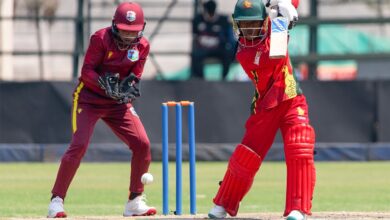
It’s a phrase coaches reach for often, sometimes as filler. But watch Newman Nyamhuri square up to Nahid Rana’s pace, a 20-year-old getting in behind the ball, refusing to back away, and the phrase earns its keep.
“He’s showing that fight, fighting for every ball,” Sammons said, before adding the caveat every honest coach must:
“He’s going to get it wrong, right? He’s young… that’s where we obviously have to be patient with him.”
That patience is the quieter story here. Zimbabwe cricket’s next generation is not being asked to be the finished product; they are being asked to fight while they figure it out, with senior players absorbing the pressure around them.
Sammons was pointed about this, Craig Ervine’s captaincy may have ended, but his leadership hasn’t:
“Just because Craig is no longer captain doesn’t mean he’s not the leader of the team.”
Sikandar Raza, too, gets singled out not for runs but for calm, the kind of presence a young captain like Richard Ngarava needs standing next to him when a game threatens to slip away.
What struck me most, though, was Sammons refusing to let a win be a win. Asked about Zimbabwe’s fast-bowling pipeline, the kind of subject a coach could deflect with vague optimism, he chose honesty instead:
“I’m not satisfied with where we’re at in terms of that. There’s still a lot of work to do.”
That’s not coach-speak. That’s a man aware that one good performance against Bangladesh doesn’t fix a system-wide gap, even as he acknowledges the raw talent nationally to close it: “the natural attributes are going to be there. It’s just about encouraging them.”
Thursday offers Zimbabwe a chance to make it 2-0, with one dead-rubber ODI still to come. But if Sammons gets his way, nobody in that dressing room will treat it as a formality. He’s made it clear he’s never fully satisfied, and on the evidence of this series so far, neither is his team.